




Bordeaux Blanc
Bordeaux Blanc is produced from white grape varieties grown throughout the Bordeaux region. The principal grapes are Sauvignon Blanc and Sémillon, with Sauvignon Gris and Muscadelle also permitted in some appellations. In Pessac-Léognan, for example, the official appellation permits Sauvignon Blanc, Sauvignon Gris, Sémillon and Muscadelle.


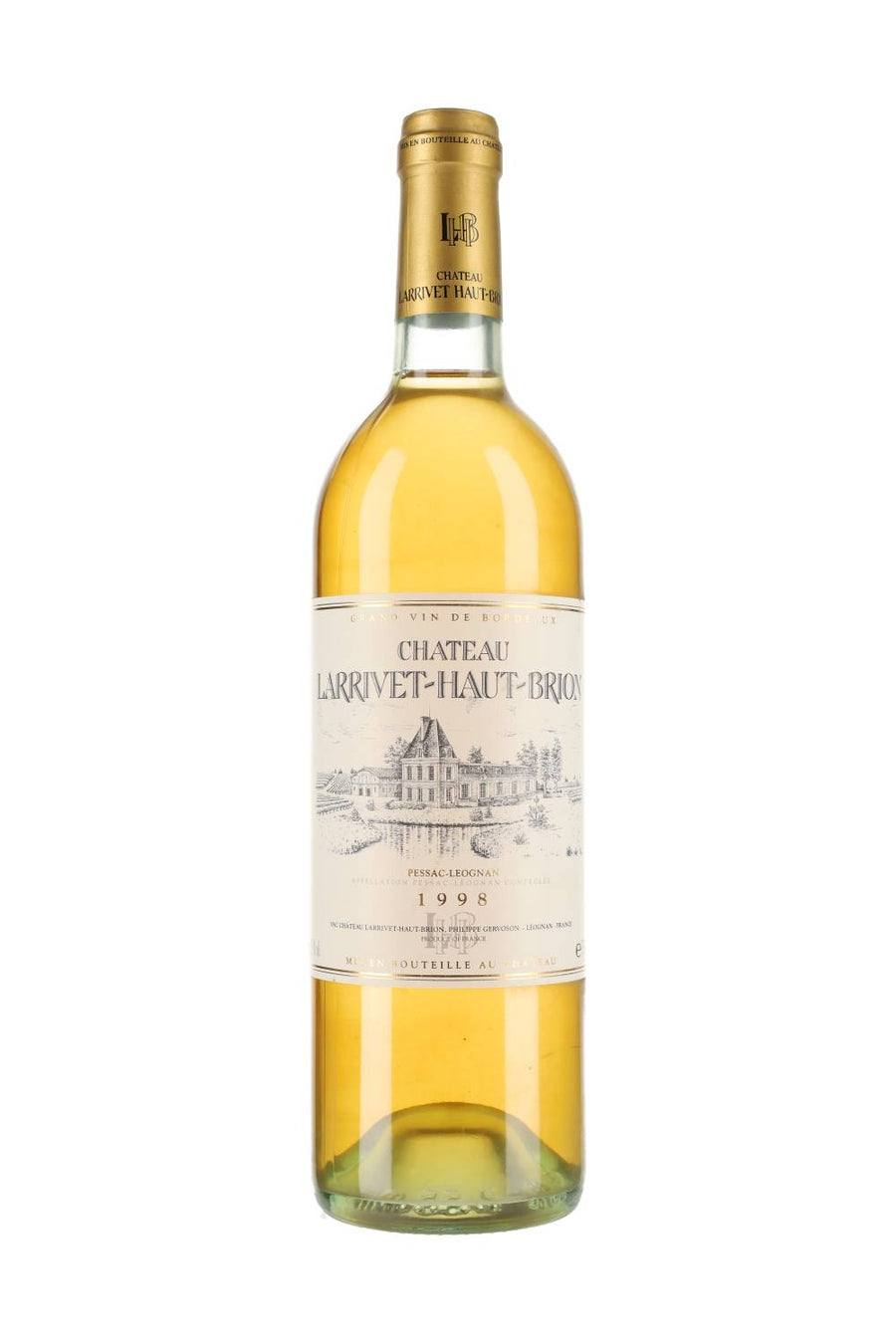
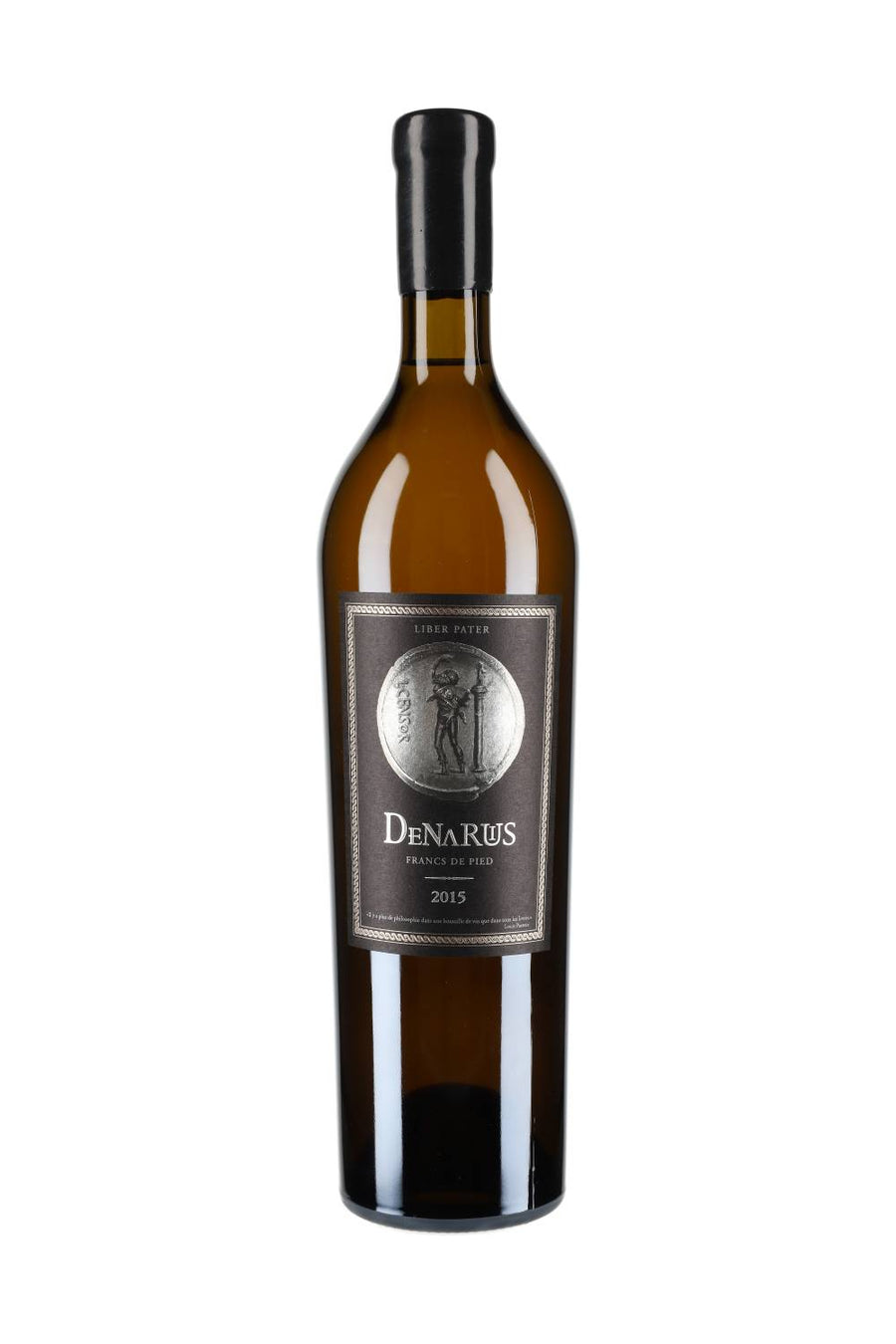


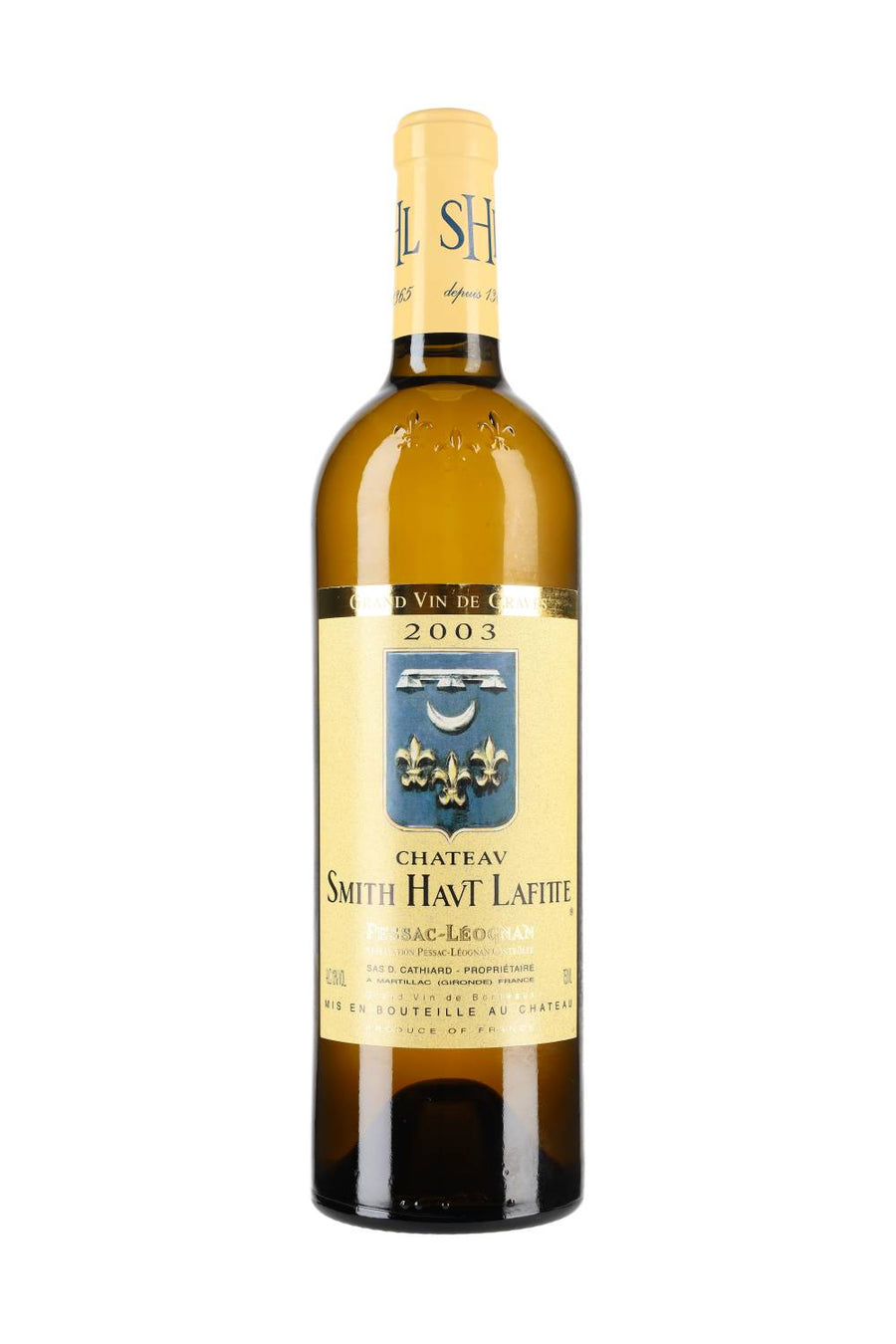


The simplest Bordeaux Blancs are generally fresh, aromatic and dry, with flavours of lemon, grapefruit, green apple, pear, white flowers and fresh herbs. They are usually made to be enjoyed young and are excellent with oysters, mussels, prawns, sushi, grilled fish, salads and goat cheese. Sauvignon Blanc provides much of the acidity and aromatic freshness, while Sémillon gives the wine more body, texture and depth.
At the more serious end of the spectrum, particularly in Pessac-Léognan, Bordeaux Blanc becomes a very different proposition. These wines can be fermented and matured in French oak, often on their lees, creating additional layers of toast, vanilla, smoke, hazelnut, brioche and cream while retaining the natural acidity of Sauvignon Blanc. The official Bordeaux wine body describes the finest Pessac-Léognan whites as complex, lively and harmonious, with citrus, white-fruit and mineral characteristics and significant ageing potential.
For collectors and serious wine lovers, the names to know include Château Haut-Brion Blanc, Château La Mission Haut-Brion Blanc, Domaine de Chevalier Blanc, Château Smith Haut Lafitte Blanc, Château Pape Clément Blanc, Château Malartic-Lagravière Blanc, Château de Fieuzal Blanc and Château Carbonnieux Blanc.
Haut-Brion Blanc is arguably the ultimate reference point for dry white Bordeaux. It is extremely rare and correspondingly expensive. La Mission Haut-Brion Blanc is similarly prestigious. Below that ultra-rare level, Domaine de Chevalier Blanc is one of the most respected names in the category; the Pessac-Léognan estate itself describes its white as one of the world's greatest dry white wines.
Smith Haut Lafitte Blanc is another benchmark, particularly for people who enjoy a richer, more opulent style. Pape Clément Blanc is also highly regarded and is produced from Sauvignon, Sémillon and Muscadelle.
For a combination of quality and value, I would look particularly at Carbonnieux Blanc, Château de Fieuzal Blanc, Château Malartic-Lagravière Blanc and Château Latour-Martillac Blanc. These can provide much of the character of serious Bordeaux Blanc without reaching the prices of Haut-Brion.
Pessac-Léognan is the key appellation
If someone says they want a great dry Bordeaux Blanc, Pessac-Léognan is probably the first appellation to investigate. It lies immediately south and southwest of Bordeaux and is famous for both red and dry white wines. Its gravelly soils provide excellent drainage and contribute to the distinctive character of the wines.
The appellation contains 14 Crus Classés de Graves, including many of the most famous producers of dry white Bordeaux.
One of the fascinating things about great Bordeaux Blanc is its ability to develop dramatically with age. A young wine may taste primarily of citrus, fresh fruit and flowers. After several years, it can develop aromas and flavours of honey, toasted nuts, hazelnut, beeswax, brioche, smoke and dried fruit, while maintaining its acidity and freshness. The best examples can mature for decades.